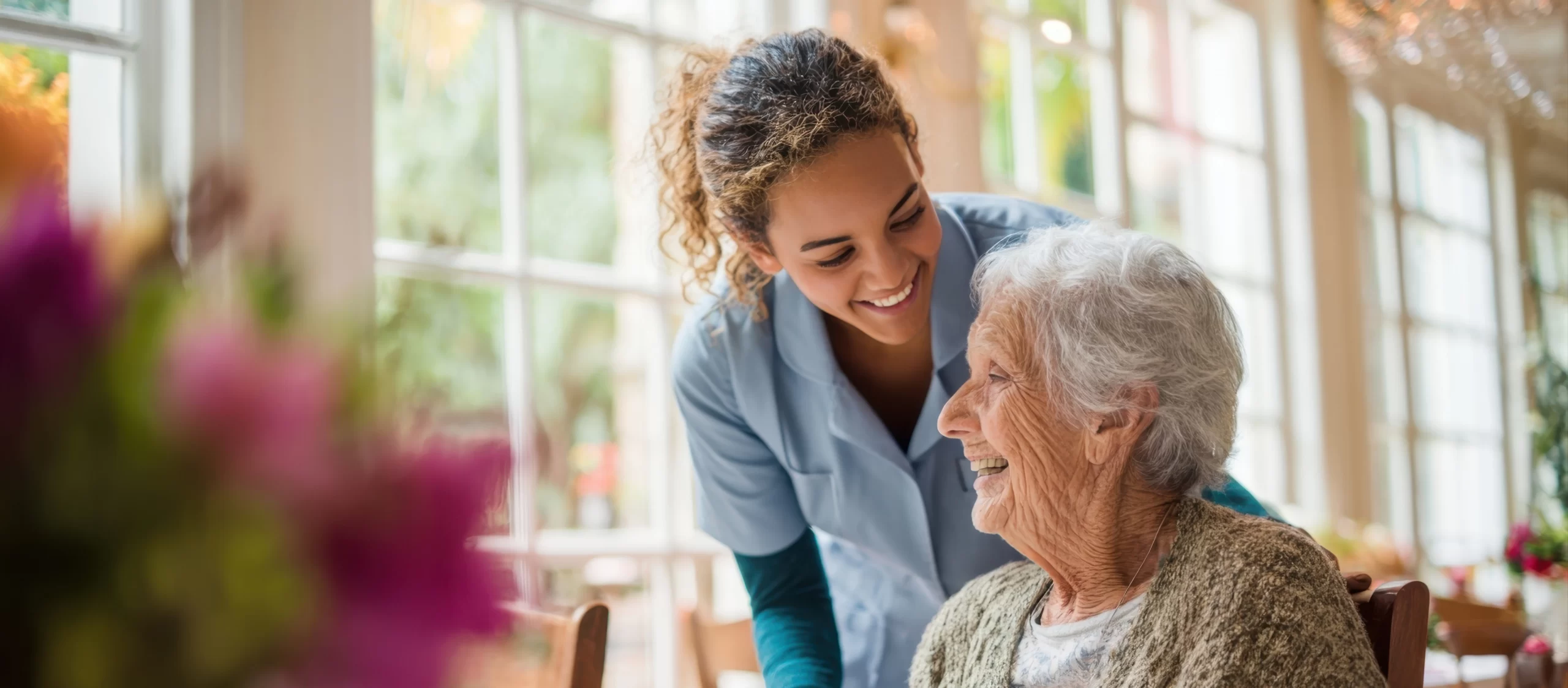
Finding the right in-home caregiver for your elderly loved one is one of the most important decisions you’ll make. The process requires careful consideration, thorough research, and trust in someone who will provide personal care in your loved one’s most private space.
Start with Professional Agencies and Referrals
Professional home care agencies offer a structured approach to finding qualified caregivers. These organizations typically handle background checks, insurance, and ongoing supervision, which removes much of the burden from families.
Benefits of using agencies:
- Prescreened and trained caregivers
- Backup coverage when your loved one’s regular caregiver is unavailable
- Insurance and bonding protection
- Ongoing support and case management
Ask friends, family members, and healthcare professionals for referrals. Your loved one’s doctor’s office, local hospital discharge planners, and senior centers may maintain lists of reputable agencies and independent caregivers they recommend.
If you have a senior loved one who needs help maintaining a high quality of life while aging in place, reach out to Amada Senior Care, a leading provider of home care Surprise families can rely on. All of our caregivers are bonded, licensed, and insured, there are no hidden fees, and we never ask our clients to sign long-term contracts.
Conduct Thorough Background Checks
Whether you hire through an agency or independently, verifying a caregiver’s background is essential for your safety and peace of mind.
Essential checks include:
- Criminal background screening at state and federal levels
- Reference verification from previous employers
- Professional license verification (if applicable)
- Motor vehicle record check (if driving is required)
- Social security number verification
For independent caregivers, you’ll need to handle these checks yourself. Services like Care.com and Caregivers.com provide background screening tools, or you can hire a professional screening company.
Evaluate Experience and Qualifications
Not all caregiving situations require the same level of expertise. Someone recovering from surgery has different needs than someone with dementia or mobility issues.
Key qualifications to consider:
- Relevant experience with your loved one’s specific care needs
- CPR and first aid certification
- Professional training in areas like medication organization or dementia care
- Physical ability to assist with transfers, mobility, and personal care tasks
Ask candidates to describe their experience with similar situations. Request specific examples of how they’ve handled challenging scenarios or medical emergencies.
Every senior has different needs when aging in place. Some simply need occasional assistance with household chores, while others may be managing serious illnesses and require more extensive live-in care provided by experienced, trustworthy Surprise caregivers. Seniors can count on Amada Senior Care to provide the in-home care they need and deserve.
Interview Multiple Candidates
Plan to interview at least three potential caregivers, even if the first one seems perfect. This gives you a better sense of what’s available and helps you make a more informed decision.
Important interview questions:
- “What drew you to caregiving work?”
- “How do you handle emergency situations?”
- “Can you describe your experience with [specific condition or need]?”
- “What would you do if my loved one refused care or medication?”
- “How do you maintain professional boundaries while building rapport?”
Pay attention to how candidates communicate. They should listen carefully, ask thoughtful questions about care needs, and demonstrate genuine interest in providing high-quality care.
Establish Clear Expectations and Communication
Once you’ve selected a caregiver, setting clear expectations from the beginning can prevent misunderstandings and ensure high-quality care.
Create written agreements covering:
- Specific duties and responsibilities
- Schedule and punctuality expectations
- Emergency procedures and contact information
- Confidentiality and privacy requirements
- Payment terms and schedule
Establish regular check-ins to discuss how things are going. Open communication helps you address small issues before they become bigger problems and ensures your loved one’s needs continue to be met as circumstances change.
Regular monitoring doesn’t mean hovering but rather maintaining awareness of the care being provided and the relationship between caregiver and client. Trust your instincts—if something feels off, investigate further and don’t hesitate to make changes if necessary.
Living independently is important for seniors who want to maintain a high quality of life. For some, this simply means receiving help with tasks that have become more challenging to manage over time. Respite care is a great help to many Surprise families. Caring for a senior loved one can be overwhelming at times, which puts family caregivers at risk for burnout. However, an in-home caregiver can take over your loved one’s care, allowing you the time you need to focus on your own health, maintain a full-time job, or care for other members of your family. To learn about our quality-assured services, give us a call today.