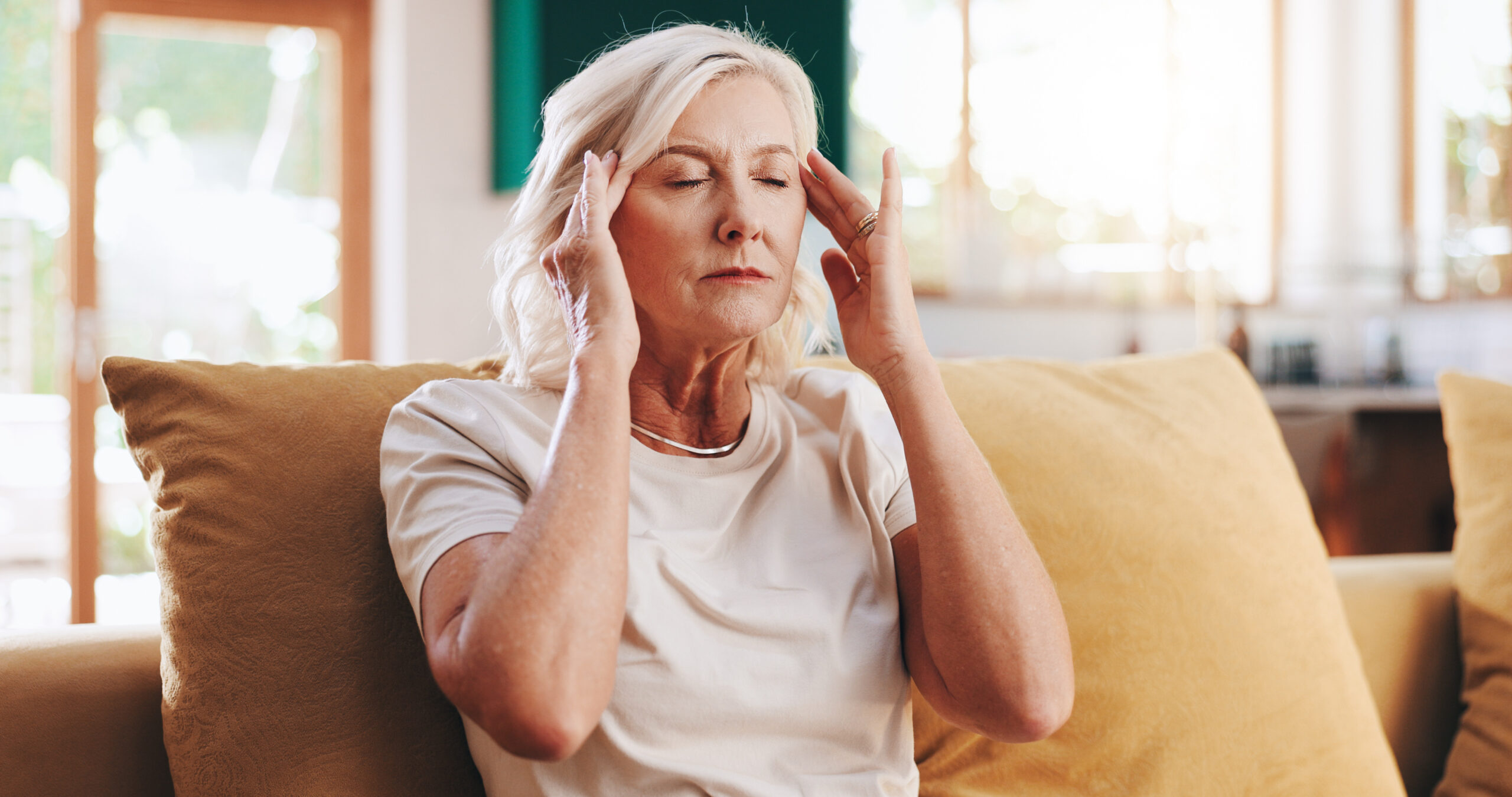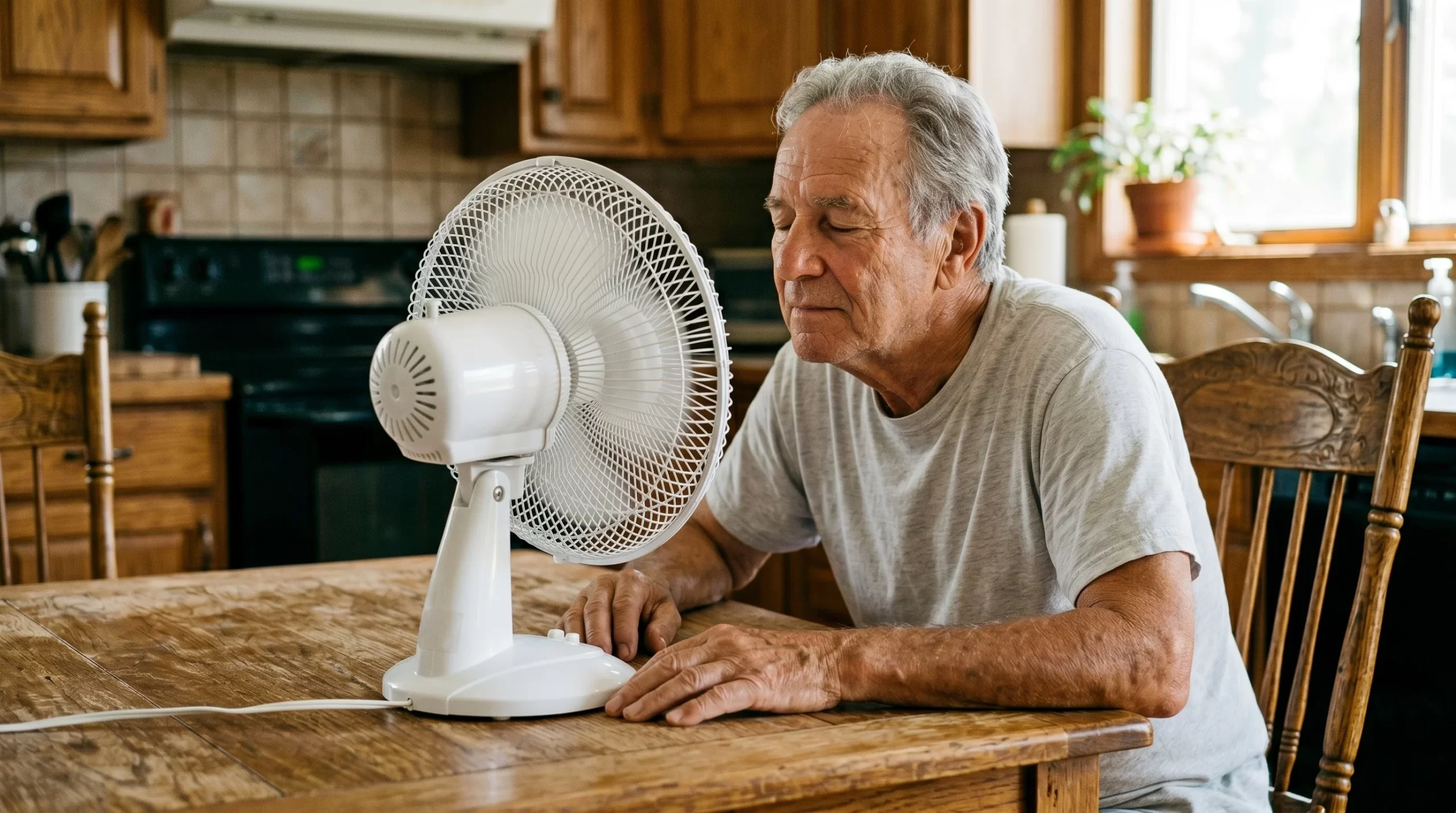
By July, our caregivers in Surprise have usually seen it already: a client who seems a little more tired than usual, a thermostat quietly creeping up because someone’s trying to save on the electric bill, an air conditioner that’s been making a strange noise for a week but nobody’s called anyone about it yet. None of these things looks like an emergency on its own. Together, during a Surprise summer, they can become one. This is exactly the kind of pattern a live-in caregiver is positioned to catch before it turns serious.
Why Surprise’s Summer Heat Is Uniquely Dangerous for Seniors
Aging changes how the body handles heat in ways that aren’t obvious from the outside. Sweating becomes less efficient, blood vessels don’t dilate the way they used to, and the body’s internal signals something is wrong, thirst, discomfort, and the urge to cool off become weaker with age. Researchers studying this consistently describe older adults as the most vulnerable age group to heat exposure, with significantly worse outcomes than any other cohort during extreme heat events.
That vulnerability isn’t theoretical in Maricopa County. In 2023, the county recorded 645 heat-related deaths, a record at the time, and nearly two-thirds of those who died were 50 or older. Nearly half of the victims had a pre-existing physical health condition, and cardiopulmonary disease specifically contributed to close to half of all heat deaths that year. One detail stands out for anyone planning summer care: more than half of 2024’s heat deaths happened on days the county classified as only “moderate” heat risk, meaning a senior doesn’t need a historic 119-degree day to be in danger. An ordinary Surprise summer afternoon is enough.
The Hidden Risk: Medications that Make Heat More Dangerous
This is the piece that catches even attentive families off guard, and it’s where a trained caregiver’s day-to-day familiarity with a client’s medication routine becomes genuinely protective.
The CDC specifically names diuretics, anticholinergic medications, and certain psychiatric drugs as the medications most likely to increase risk during extreme heat, and warns that combining a diuretic with an ACE inhibitor or ARB compounds further increases the risk. Beta-blockers reduce blood flow to the skin, making it physically harder for the body to release heat. Diuretics increase fluid loss through urination on top of fluid lost through sweat. Many common bladder-control and Parkinson’s medications carry anticholinergic effects that interfere with the body’s cooling mechanisms as well.
What makes this especially risky is that the people taking these medications often can’t tell something is wrong. Confusion is frequently one of the very first signs of serious heat illness, and someone becoming confused is, by definition, in a poor position to recognize that he or she is confused. This is precisely why outside observation matters as much as the senior’s own self-awareness.
What the Local Data Tells Us about Indoor Heat Deaths
It’s a common assumption that heat deaths happen to people outdoors, stranded without shelter. The local data tells a more uncomfortable story.
Among indoor heat deaths in Maricopa County in 2024, an air conditioning unit was present in 88% of cases, but 70% of those units weren’t working. The year before, the AC failure rate among indoor deaths was 85%. In other words, having air conditioning didn’t protect these residents, because nobody realized in time that the air conditioning had stopped working. Maricopa County’s own public health guidance reflects this directly: residents are urged to regularly check on older adults and people living alone, especially if they lose power or access to air conditioning. That single sentence is, in many ways, a description of exactly what a live-in caregiver does every single day.
This is closely tied to broader home readiness, too. Many of the same fundamentals that make a home safer in general for an aging adult—clear pathways, good lighting, and home systems that are regularly checked rather than ignored—also make it easier to catch a cooling problem before it becomes dangerous. Our more complete walkthrough on the best ways to make a home safe for older adults covers many of these same fundamentals, and most of it pairs naturally with summer heat planning.
What Is Live-In Care, Exactly?
Live-in care means a dedicated caregiver resides in the home, typically for several consecutive days at a time, providing care throughout the day and being present overnight with a scheduled rest period. Unlike rotating shift-based 24-hour care, live-in care centers on consistency, usually just one or two caregivers who get to know a client’s routines, preferences, medications, and home in real depth. Caregivers don’t need to be awake every hour of the night, but they’re in the home, which means a malfunctioning air conditioner, an unusual noise, or a client who seems “off” the next morning doesn’t go unnoticed until a family member’s next scheduled visit.
This continuity is part of why live-in care tends to catch problems early rather than after the fact. A caregiver who sees the same home and the same person every day notices when the house feels warmer than it should, when water intake has quietly dropped off, or when a senior seems unusually drowsy, subtle signals that are easy to miss if you’re only checking in once every few days.
How a Live-In Caregiver Can Reduce Heat Risk Day and Night
Here are just a few specific things a live-in caregiver can do that directly address Surprise’s summer risk profile:
- Daily monitoring of the home’s temperature and AC function, rather than discovering a broken unit only after symptoms appear.
- Tracking hydration throughout the day, since older adults often don’t feel thirsty even as they’re becoming dehydrated.
- Watching medication schedules closely, especially for diuretics, beta-blockers, and other heat-sensitive prescriptions, and flagging unusual symptoms to a doctor early.
- Recognizing early warning signs, such as confusion, dizziness, reduced sweating, and rapid heart rate, before they progress to a medical emergency.
- Limiting outdoor exposure during peak heat hours while still supporting safe activity and fresh air earlier or later in the day.
- Being present overnight, when Arizona’s lows can still sit uncomfortably high, and a home without functioning AC doesn’t get the relief it would elsewhere in the country.
None of these requires dramatic intervention most days. They require a consistent, attentive presence, which is exactly what a live-in care arrangement is built around. Not every caregiver or agency brings the same level of attention to this kind of monitoring, which is worth keeping in mind while comparing options. Our guide on how to find a trusted in-home caregiver covers the right questions to ask an agency or independent caregiver, including how they’d handle exactly these kinds of day-to-day safety checks.
Beyond AC: Other Ways Live-In Caregivers Keep Seniors Heat-Safe
Caregivers can also help a household take advantage of community resources that many families don’t know exist. Maricopa County runs a Heat Relief Network from May through September, with more than 200 cooling centers, hydration stations, and respite sites across the Valley, plus a 211 call line for help with transportation or emergency AC repair. A caregiver familiar with these resources can get a malfunctioning unit serviced quickly or get a client to a cooling center if needed, rather than waiting out a hot afternoon in a warming home.
Home readiness matters just as much as response. A senior who can move safely and independently around a cool part of the house, with water and supplies within easy reach, is in a far better position during a heat event than one who’s facing difficulties with both mobility and heat at once, which is part of why caregivers tend to treat heat planning and general home safety as the same conversation, not two separate ones.
What Families in Surprise Should Remember
Extreme heat is one of the few seasonal risks that can become dangerous very quickly for older adults. The combination of age-related changes, chronic health conditions, heat-sensitive medications, and even something as simple as a malfunctioning air conditioner can create a serious situation before a family realizes there’s a problem. The good news is that most heat-related emergencies are preventable. Consistent monitoring, early intervention, and a clear summer safety plan can help seniors remain comfortable, independent, and safe throughout Surprise’s hottest months.
Choosing the Right Live-In Caregiver for Summer
Not every family needs full live-in care, and not every caregiver or agency approaches heat safety with the same level of attention. If you’re researching home care in Surprise for a parent or spouse heading into summer, it’s worth asking specifically how a prospective caregiver or agency monitors hydration, medication side effects, and home cooling, not just whether they can help with bathing and meals. That distinction matters even more heading into the hottest months of the year. Amada Senior Care offers a free, no-pressure consultation to help your family figure out the right level of summer support before the next heat wave arrives.
Frequently Asked Questions
How is live-in care different from 24-hour care?
+
Live-in care typically involves one or two caregivers who reside in the home and provide care throughout the day with a scheduled overnight rest period. 24-hour care uses rotating caregivers in shifts so someone is awake and active around the clock. Live-in care offers more consistency and is often more affordable, while 24-hour care offers constant active supervision.
Can a live-in caregiver really prevent a heat-related emergency? +
A caregiver can’t control the weather, but a daily presence can catch the exact warning signs of a malfunctioning AC unit, reduced fluid intake, and early confusion that often go unnoticed until they become a crisis. Local data shows most indoor heat deaths involve an AC unit that had already failed without anyone realizing it in time.
Are certain medications really that risky in extreme heat? +
Yes. The CDC specifically flags diuretics, anticholinergic medications, beta-blockers, and some psychiatric medications as raising heat-related risk, partly because they interfere with sweating, blood flow, or hydration, and partly because combining several of these compounds can increase the effect.
What should I do if I think my loved one’s AC isn’t working properly? +
Don’t wait for symptoms to confirm it. Maricopa County’s 211 line can connect residents with emergency AC repair, and the county’s Heat Relief Network offers free cooling centers as a backup option while repairs are arranged.
Is live-in care only for seniors with serious medical conditions? +
No. Many families choose live-in care simply for the peace of mind of having someone present during high-risk periods like summer, even when a loved one is generally healthy and independent.